
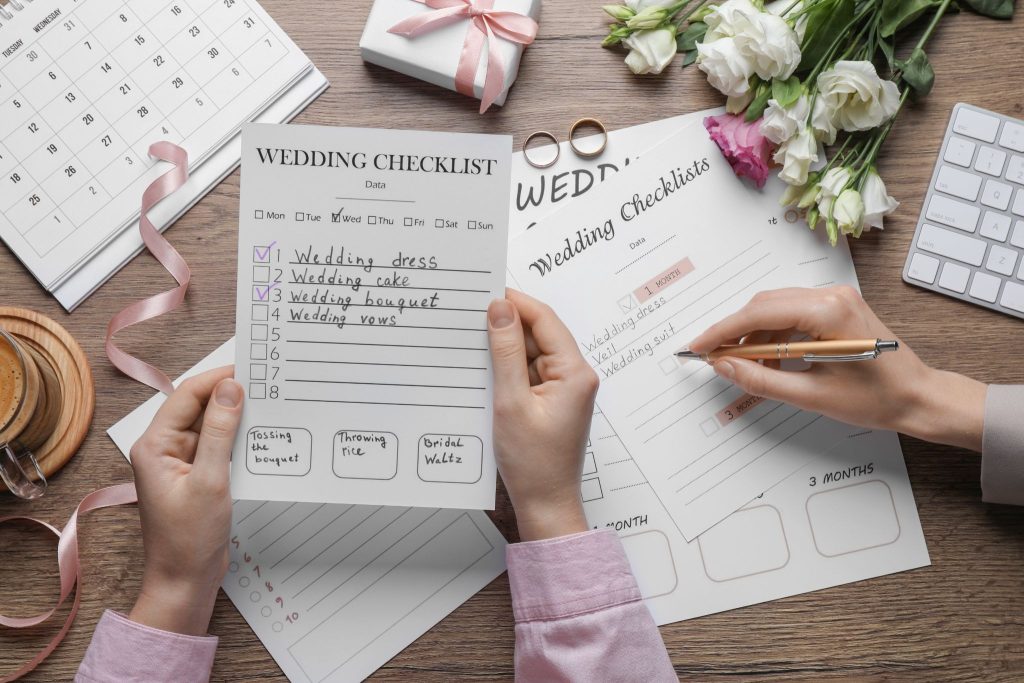
The excitement of getting engaged is a beautiful moment, filled with dreams of a perfect wedding day. As couples begin to embark on the journey of planning their weddings, the sheer volume of decisions can feel overwhelming. However, starting with a clear roadmap can help ease the process. In this article, we will outline the first five essential steps every couple should take when planning a wedding, ensuring that your journey is as joyful as the destination.
Step 1: Establish Your Vision and Priorities
Defining Your Dream Wedding
Before diving into the logistics of wedding planning, it’s crucial to establish a shared vision of what your wedding day will look like. Sit down together and discuss your ideal wedding. Consider the vibe you want to create: Are you envisioning a grand affair or an intimate gathering? Do you prefer a traditional ceremony or something more unique?
Real-Life Example: A Vision Board
When Sarah and James got engaged, they created a vision board together. They gathered inspiration from magazines, social media, and wedding websites. This visual representation helped them clarify their style preferences—rustic elements paired with elegant touches. The process not only solidified their vision but also strengthened their bond as a couple.
Setting Priorities for Your Wedding
Once you have a vision, it’s essential to set priorities. Discuss what aspects of the wedding matter most to both of you. Is it the venue, the food, the entertainment, or the guest experience? Having clear priorities can guide your decisions as you move forward.
Expert Insight: The Importance of Prioritization
“Understanding what’s most important to you as a couple helps prevent conflicts down the road,” says wedding planner Emily Carter. “It allows you to allocate your budget and attention to the elements that will make your day special.”
Step 2: Create a Budget
Understanding Your Financial Landscape
Your wedding budget is a critical component of your planning process. Start by discussing how much you can realistically spend and who will contribute financially. This may include savings, parental contributions, or even potential loans.
Real-Life Example: Budgeting Together
When Mia and Alex began planning their wedding, they took a weekend to sit down and create a budget. They used spreadsheets to track their expenses and discussed potential costs for each aspect of the wedding. This collaborative effort helped them feel more in control and aligned in their financial goals.
Allocating Your Budget Wisely
Once you have a clear picture of your overall budget, break it down into categories. Typical categories include venue, catering, attire, flowers, photography, and entertainment. Allocate percentages to each category based on your priorities and research average costs in your area.
Expert Insight: Budget Flexibility
“Be prepared for unexpected expenses,” advises financial planner Sarah Johnson. “Weddings often come with surprises, so it’s wise to set aside a contingency fund—typically around 10% of your total budget—to handle any unforeseen costs.”
Step 3: Choose Your Wedding Date and Venue
Selecting the Perfect Date
Choosing your wedding date is a significant step that will influence many aspects of your planning. Consider factors like seasonality, holidays, and the availability of key family members. Popular dates may require booking well in advance, so be prepared to be flexible.
Real-Life Example: A Memorable Date
For Emma and Lucas, picking their wedding date was a sentimental decision. They chose the anniversary of their first date, which added a personal touch to their celebration. This choice not only made the day more meaningful but also provided a memorable story to share with guests.
Finding the Ideal Venue
Once you have a date in mind, it’s time to select a venue. Consider your vision and priorities when choosing a location. Do you want an indoor or outdoor setting? A venue that caters to a large guest list or something more intimate?
Researching Venue Options
Visit multiple venues to get a feel for their ambiance, services, and pricing. Ask questions about what’s included in the rental fee, such as tables, chairs, and linens. Pay attention to the venue’s policies regarding catering, alcohol, and timing restrictions.
Expert Insight: Venue Contracts
“When you find a venue you love, read the contract carefully before signing,” advises event coordinator Lisa Thompson. “Make sure you understand all terms, including cancellation policies and payment schedules.”
Step 4: Build Your Guest List
Crafting Your Guest List
With a venue secured, it’s time to create your guest list. This step can be both exciting and challenging. Start by listing everyone you’d like to invite, including family, friends, and colleagues. Be prepared for discussions around who makes the cut, especially with family dynamics at play.
Real-Life Example: Guest List Dynamics
When Jenna and Matt began their guest list, they found it helpful to categorize guests into three tiers: must-invite, would-like-to-invite, and optional. This approach allowed them to focus on their priorities while still considering the feelings of family members who might have differing opinions.
Sending Save-the-Dates
Once your guest list is finalized, consider sending save-the-date cards, especially if you’re planning a wedding during peak seasons or holidays. These cards inform guests of the date and location, allowing them to plan accordingly.
Expert Insight: Timing for Save-the-Dates
“Sending save-the-dates at least six months in advance is ideal,” suggests wedding planner Jessica Lee. “This gives guests ample time to make travel arrangements or adjust their schedules.”
Step 5: Assemble Your Wedding Team
Hiring Essential Vendors
Your wedding team will play a crucial role in bringing your vision to life. Start by identifying the vendors you need, such as a photographer, caterer, florist, and entertainment. Research potential candidates, read reviews, and schedule interviews to find the right fit.
Real-Life Example: Finding the Perfect Photographer
When Lily and Ryan were looking for a photographer, they prioritized finding someone whose style matched their vision of candid, natural shots. After meeting with several photographers, they chose one who not only had a great portfolio but also made them feel comfortable during their initial meeting.
Building Relationships with Vendors
Once you’ve hired your vendors, establish strong communication. Share your vision and expectations, and don’t hesitate to ask questions. Building a good rapport with your vendors can lead to a more enjoyable planning experience and a smoother wedding day.
Expert Insight: The Value of Trust
“Trusting your vendors is essential,” emphasizes wedding planner Amanda Lee. “When you have confidence in their abilities, you can relax and enjoy the planning process without second-guessing every decision.”
Conclusion
Planning a wedding is an exciting journey filled with love, joy, and a fair share of challenges. By following these first five essential steps—establishing your vision, creating a budget, choosing your date and venue, building your guest list, and assembling your wedding team—you can lay a strong foundation for a successful celebration.
Remember that communication and collaboration with your partner are key. Embrace the process, enjoy the moments together, and let your wedding reflect your unique love story. As you embark on this beautiful adventure, keep in mind that the ultimate goal is to celebrate your love surrounded by those who matter most.