Choosing the perfect wedding dress is one of the most exciting—and sometimes daunting tasks for any bride. With so many wedding dress styles available, it can be overwhelming to navigate through the options. From classic ball gowns to modern sheath dresses, each style tells a unique story and reflects the bride’s personality. In this comprehensive guide, we will delve into the various wedding dress styles, providing insights, expert advice, and real-life examples to help every bride find her dream gown.
Understanding Wedding Dress Styles
The Importance of Choosing the Right Style
Your wedding dress is not just a garment; it symbolizes your love story and the beginning of a new chapter in your life. The right style can enhance your figure, complement your wedding theme, and make you feel confident and beautiful on your special day. Understanding the different wedding dress styles will allow you to express your individuality while adhering to your personal taste and the overall vibe of your wedding.
Key Factors to Consider
Before diving into the specifics of wedding dress styles, it’s essential to consider a few factors that will help narrow down your options:
- Body Shape: Different styles flatter different body shapes. Understanding your shape can guide you toward dresses that accentuate your best features.
- Wedding Venue: The location of your wedding can influence your dress choice. A beach wedding may call for lighter fabrics, while a formal ballroom ceremony might suit a more elaborate gown.
- Season: The time of year can affect the fabric, design, and overall style of your dress. Consider lighter materials for summer and heavier fabrics for winter.
- Personal Style: Your unique taste should shine through in your choice. Whether you lean towards bohemian, classic, or contemporary styles, your dress should reflect who you are.
Popular Wedding Dress Styles
1. Ball Gown
The Classic Fairy Tale
The ball gown is often considered the quintessential wedding dress style. Characterized by a fitted bodice and a voluminous skirt, this style is perfect for brides dreaming of a fairy tale wedding. The dramatic silhouette creates an hourglass figure, making it flattering for many body types.
Real-Life Example: A Dream Come True
When Amanda walked down the aisle in her stunning ball gown adorned with intricate lace and a full tulle skirt, she felt like a princess. The gown’s sweetheart neckline highlighted her collarbones, while the layers of fabric added a magical touch to her outdoor ceremony.
2. A-Line
Timeless Elegance
The A-line wedding dress is a versatile and universally flattering style. It features a fitted bodice that gradually flares out from the waist, resembling the shape of a capital letter “A.” This silhouette works well for various body shapes and is suitable for both formal and casual weddings.
Expert Insight: Why A-Line?
“A-line dresses are a favorite among brides because they offer both comfort and elegance,” says bridal stylist Kate Thompson. “They highlight the waist while allowing for ease of movement, making them perfect for dancing the night away.”
3. Mermaid
The Sultry Silhouette
Mermaid dresses are designed to hug the body from the bust to the knee, flaring out dramatically at the lower half. This style is ideal for brides looking to showcase their curves and make a bold statement. It’s a popular choice for evening weddings and formal ceremonies.
Real-Life Example: A Bold Choice
Jessica chose a stunning mermaid gown for her upscale wedding. With its intricate beading and lace detailing, the dress accentuated her figure beautifully. The dramatic train added an element of glamour as she walked down the aisle, turning heads and leaving a lasting impression.
4. Sheath
Simple and Chic
The sheath dress is a sleek, form-fitting style that follows the body’s natural shape. It is often made from lightweight fabrics, making it a popular choice for destination weddings or outdoor ceremonies. This style is perfect for brides who want a modern and minimalist look.
Expert Insight: The Appeal of Sheath
“Sheath dresses are perfect for brides who want to feel sophisticated and elegant without the fuss of a traditional gown,” states designer Lily Chen. “They’re great for showcasing beautiful fabrics and intricate details.”
5. Tea-Length
Vintage Charm
Tea-length wedding dresses fall between the knee and ankle, offering a vintage-inspired look. This style is playful and fun, making it ideal for informal weddings and receptions. Tea-length dresses often feature classic details like lace, tulle, and embroidery.
Real-Life Example: Embracing Vintage
When Sarah wore her tea-length dress adorned with delicate floral patterns for her backyard wedding, she captured the essence of vintage charm. The dress’s playful hemline allowed her to showcase her stylish shoes, adding a touch of personality to her overall look.
6. Bohemian
Free-Spirited and Unique
Bohemian wedding dresses embody a laid-back, free-spirited vibe, often featuring flowing fabrics, intricate lace, and unique patterns. This style is perfect for outdoor or rustic weddings, allowing brides to express their creativity and individuality.
Expert Insight: Embracing Boho Style
“Bohemian dresses are all about comfort and character,” explains bridal stylist Emma Brooks. “They often incorporate unique elements, like fringe or crochet, making them perfect for brides who want to break away from tradition.”
7. Column
Sleek and Sophisticated
Column dresses, also known as straight or sheath dresses, are designed to fall straight down from the hips without flaring out. This style is perfect for contemporary brides who want a sleek and sophisticated look. Often made from luxurious fabrics, column dresses can be both elegant and understated.
Real-Life Example: Modern Minimalism
When Mia selected a column dress for her city hall wedding, she embraced a modern minimalist aesthetic. The clean lines and structured silhouette allowed her to pair the gown with a bold statement necklace, making her look effortlessly chic.
Choosing the Right Fabric
The Impact of Fabric on Style
The fabric of your wedding dress plays a crucial role in its overall appearance and comfort. Different materials drape and flow differently, affecting how the dress fits and feels. Here are some popular fabrics to consider:
- Satin: Known for its luxurious finish, satin offers a beautiful drape that adds elegance to any gown.
- Chiffon: Lightweight and airy, chiffon is perfect for soft, flowing silhouettes. It’s often used in bohemian and A-line styles.
- Lace: Lace adds texture and romantic detail to wedding dresses, making it a popular choice for vintage and romantic styles.
- Tulle: This sheer fabric is often used for skirts and overlays, providing volume and a dreamy quality to gowns.
- Organza: Stiffer than tulle, organza holds its shape well and is often used for structured designs.
Accessorizing Your Wedding Dress
The Importance of Accessories
Once you’ve chosen your wedding dress style, it’s time to think about accessories. The right accessories can enhance your overall look and add personal touches to your bridal ensemble.
Essential Accessories to Consider
- Veils: A classic accessory that can add drama and elegance to your look. Consider lengths that complement your dress style.
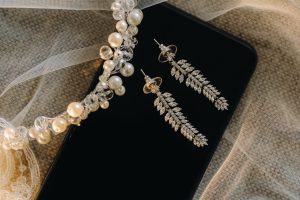
- Jewelry: Choose pieces that enhance your gown without overwhelming it. A simple necklace or statement earrings can make a significant impact.
- Shoes: Consider the style and comfort of your shoes. Heels can elevate your look, while flats may offer more comfort for outdoor weddings.
- Belts: Adding a belt can accentuate your waist and add a touch of sparkle or color to your gown.
Finding Your Dream Dress
The Wedding Dress Shopping Experience
Shopping for a wedding dress can be both exciting and overwhelming. Here are some tips to make the experience enjoyable:
- Start Early: Begin your search at least six months before your wedding date to allow time for fittings and alterations.
- Set a Budget: Determine a budget before shopping to narrow down your options and avoid overspending.
- Research Styles: Look for inspiration online and in bridal magazines to identify styles you love. Create a mood board to visualize your preferences.
- Bring Support: Choose a small group of trusted friends or family members to accompany you during fittings. Their support can provide valuable feedback while keeping the experience enjoyable.
Real-Life Example: A Memorable Experience
When Laura went dress shopping, she invited her sister and best friend along for support. After trying on several dresses, she found a stunning A-line gown that made her feel like a queen. The excitement and joy shared among them made the experience unforgettable, reinforcing the importance of having a support system during this special moment.
Conclusion
Navigating the world of wedding dress styles can be an exciting journey filled with possibilities. By understanding the various styles, fabrics, and accessories available, you can find the perfect gown that reflects your personality and style. Remember to consider factors like body shape, wedding venue, and season when making your choice.
With this comprehensive guide, you’re now equipped to explore the diverse options in wedding dress styles. Embrace the process, enjoy the experience, and remember that your wedding dress is a reflection of your unique love story. Whether you choose a classic ball gown, a modern sheath, or a bohemian masterpiece, the most important thing is that you feel beautiful and confident on your special day.
FAQs
What are the different wedding dress styles?
Popular wedding dress styles include ball gowns, A-line dresses, mermaid gowns, sheath dresses, tea-length dresses, bohemian styles, and column dresses. Each style offers a unique silhouette and aesthetic.
How do I choose the right wedding dress for my body shape?
Consider your body shape when selecting a dress style. A-line dresses flatter many shapes, while mermaid gowns accentuate curves. Consult with a bridal stylist for personalized recommendations.
When should I start shopping for my wedding dress?
It’s best to start shopping for your wedding dress at least six months before your wedding date. This allows ample time for fittings, alterations, and any customizations needed.