Bridal fashion today is no longer limited to purely modern silhouettes or traditional gowns. Many brides are now blending eras to create a more personal and expressive wedding style. Among these trends, vintage wedding looks have become especially popular because they bring a sense of nostalgia, elegance, and timeless charm. The appeal is not about recreating history exactly as it was. It is about taking inspiration from past decades and shaping it into something fresh and wearable. A modern bride may love the softness of 1920s lace, the structure of 1950s gowns, or the relaxed flow of 1970s silhouettes, yet still want a contemporary finish. The challenge lies in balance. Too much vintage can feel like costume design. Too little can lose the essence of the style. The goal is to merge old and new in a way that feels intentional, elegant, and personal.
Understanding What Defines Vintage Aesthetics in Bridal Fashion
Vintage bridal aesthetics are influenced by design elements from earlier fashion eras. Each decade carries its own identity, shaped by fabric choices, silhouettes, and cultural trends. The 1920s brought relaxed silhouettes, drop waists, and delicate embellishments. The 1950s focused on structured waists and fuller skirts that emphasized femininity and formality. The 1970s introduced softer, flowing designs with bohemian influences and natural movement. It is important to understand that vintage and retro are not the same. Vintage refers to original inspiration from past eras, while retro often means modern recreations of old styles. Contemporary bridal fashion sits between these ideas, allowing brides to borrow elements without being restricted by historical accuracy. The most successful vintage wedding looks feel inspired rather than imitated. They reflect personality rather than strict period styling.
Core Elements That Shape Vintage Wedding Looks
Fabrics and Textures That Signal Vintage Elegance
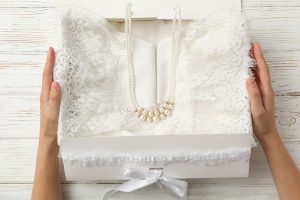
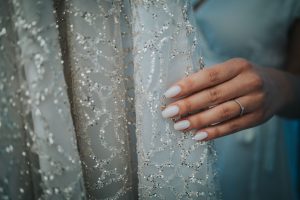
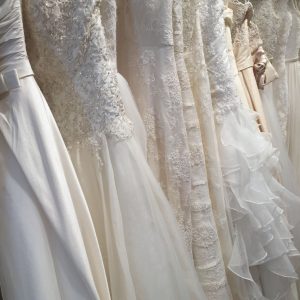
Fabric choice plays a major role in creating a vintage-inspired bridal look. Certain materials naturally evoke a sense of history and romance. Lace is one of the most recognizable vintage fabrics and continues to represent softness and elegance across generations. Silk satin brings a smooth, reflective finish that feels luxurious and timeless. Tulle adds volume without heaviness, often used in layered skirts or veils. Embroidered fabrics and hand-detailed textures also contribute to a vintage feel because they suggest craftsmanship and attention to detail associated with older fashion eras. The key is not to overload the dress with texture but to choose one or two defining fabric elements that create a refined and balanced appearance.
Silhouettes That Reflect Different Fashion Eras
Silhouette is often the most defining feature of vintage wedding looks because it determines how the dress moves, fits, and frames the bride. An A-line gown remains one of the most versatile choices, offering a subtle nod to classic bridal fashion without feeling outdated. Drop waist designs are closely tied to the 1920s and create a longer, relaxed torso appearance. Tea-length dresses bring a playful mid-century charm that feels both vintage and modern. The choice of silhouette should always consider body shape and comfort. A vintage-inspired look should enhance confidence, not restrict movement or feel unfamiliar.
Color Palettes Beyond Traditional White
While white remains traditional, vintage-inspired bridal fashion often explores softer and warmer tones. Ivory, champagne, blush, and muted gold shades are commonly used to create an aged, romantic effect. These colors soften the overall look and add depth without overwhelming the design. The subtle shift away from pure white can make a dress feel more nostalgic and artistic while also helping lace and embroidery stand out more naturally.
Blending Vintage Wedding Looks With Modern Bridal Trends
The most successful bridal styles today are not purely vintage or purely modern. They are a thoughtful blend of both. Modern tailoring techniques help refine vintage silhouettes, making them more structured and comfortable, while vintage details such as lace trims or classic necklines add emotional depth to modern gowns. The goal is not to recreate a historical outfit but to reinterpret it in a way that feels current. A sleek modern gown with vintage-inspired sleeves or a minimalist dress paired with a classic lace veil can achieve this balance beautifully. Wearability is also important because brides should feel free to move, dance, and enjoy their day without feeling constrained by overly traditional designs.
Choosing the Right Vintage-Inspired Wedding Dress
How to Match Dress Style With Wedding Theme
The wedding setting plays a major role in selecting vintage wedding looks. A ballroom wedding naturally supports structured gowns with elegant detailing, while a garden or outdoor wedding may suit softer flowing designs with bohemian influence. Rustic venues often pair well with lace-heavy gowns and natural fabrics, while minimalist venues allow for subtle vintage accents without overwhelming the space. The dress should feel like part of the environment rather than separate from it, creating visual harmony across the entire wedding aesthetic.
Custom vs Ready-to-Wear Vintage-Inspired Gowns
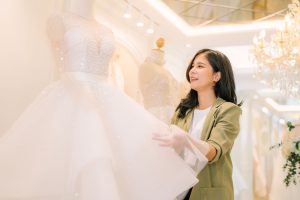
Brides often choose between custom-made dresses and ready-to-wear collections. Custom gowns offer full control over details and allow brides to blend different vintage influences into one design, making them ideal for highly personalized looks. Ready-to-wear dresses are more accessible and often already include vintage-inspired elements, though minor tailoring is usually needed to achieve the perfect fit. Both options can create strong vintage wedding looks when styled thoughtfully.
Accessories That Elevate Vintage Wedding Looks
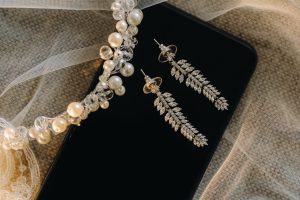
Accessories are one of the easiest ways to enhance a vintage-inspired bridal outfit without altering the dress itself. Veils remain one of the strongest vintage symbols, especially lace-edged or cathedral-length styles. Gloves add a formal old-world touch, particularly in structured wedding themes. Pearl jewelry is another classic element that continues to represent timeless elegance. Hair accessories such as combs, tiaras, and floral pins help define era-specific styling, while small details like vintage-inspired clutches or brooches can complete the look. The key is restraint because accessories should enhance the outfit, not overwhelm it.
Hair and Makeup Styles That Complete the Vintage Effect
Hairstyles Inspired by Classic Eras
Hair styling plays a major role in defining vintage wedding looks. Finger waves are strongly associated with the 1920s and create a polished sculpted appearance. Soft chignons offer a timeless elegant structure that works across multiple eras. Retro curls bring volume and romance often inspired by mid-century bridal fashion. The hairstyle should complement the dress silhouette and neckline to create a unified visual identity.
Makeup Trends From Past Decades
Makeup is another important layer of vintage styling. Classic bridal makeup often includes defined eyes, soft matte skin, and carefully chosen lip colors. Winged eyeliner is a signature element of mid-century glamour, while bold lips in muted red or rose tones reflect older fashion influences. However, modern brides often prefer a softer version of these styles, aiming to hint at vintage beauty rather than fully replicate it.
Modernizing Vintage Wedding Looks for Today’s Bride
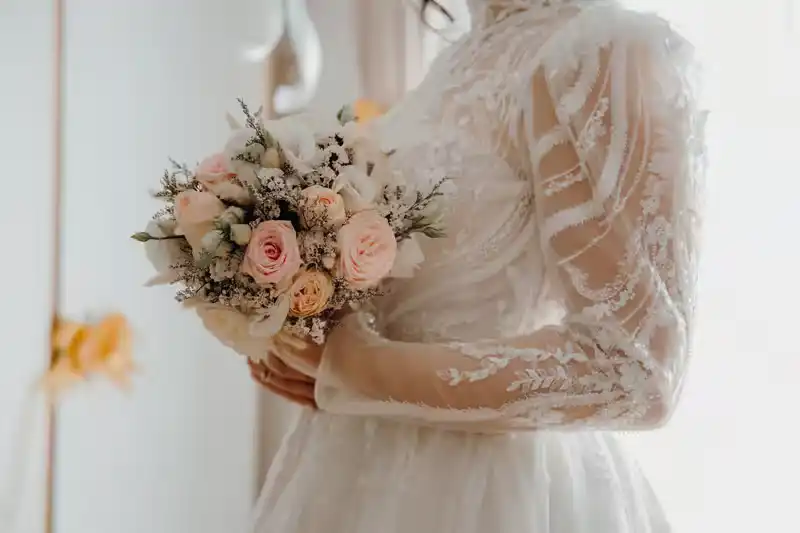
Modern bridal styling focuses heavily on comfort and individuality. Even when inspired by vintage fashion, the final look should feel current and wearable. This means avoiding excessive layering, heavy fabrics, or overly structured designs that limit movement. Instead, designers now use vintage inspiration as a foundation and build modern comfort into the final piece. Minimalism also plays a key role because a single vintage element, such as lace sleeves or a classic neckline, can be more powerful than a fully themed outfit.
Bridal Footwear and Subtle Styling Details
Footwear is often overlooked but plays a subtle role in completing vintage wedding looks. Kitten heels, satin pumps, and lace-detailed shoes are commonly used to reinforce the theme. Comfort is equally important since brides spend long hours standing and moving. Even hidden details like embroidered shoe interiors or vintage-inspired anklets can enhance the overall aesthetic without being visually overwhelming.
How Wedding Venues Influence Vintage Bridal Styling
Venue selection directly impacts how vintage styling is perceived. A grand indoor venue naturally supports more structured and formal vintage designs, while outdoor venues like gardens or vineyards align better with soft romantic styles. Lighting also affects how fabrics and textures appear because natural light enhances lace and soft fabrics, while indoor lighting can emphasize structure and shimmer. A strong visual connection between venue and dress ensures the vintage theme feels intentional rather than forced.
Common Mistakes Brides Make When Styling Vintage Looks
One common mistake is combining too many eras in one outfit, which can create visual confusion. Another mistake is ignoring comfort in favor of aesthetics since a beautiful dress that is difficult to move in can affect the entire wedding experience. Some brides also over-accessorize, which distracts from the dress itself. Vintage styling works best when it feels balanced, intentional, and refined.
Creating a Cohesive Vintage Bridal Story
A strong bridal look is not just about the dress. It includes bridesmaids, groom styling, and overall wedding design. Coordinating colors and textures across the wedding party helps create visual harmony, while décor choices such as table settings, floral arrangements, and lighting reinforce the same vintage inspiration. When everything aligns, the theme feels immersive and complete.
Future Trends in Vintage-Inspired Bridal Fashion
Vintage bridal fashion continues to evolve with modern expectations. Sustainability is becoming a major influence, with many brides choosing heirloom-inspired or repurposed fabrics. Personalization is also growing as brides mix influences from different eras to create unique hybrid styles. Technology is also influencing design through better customization and digital previews of gowns, allowing more precise styling choices before final production.
Conclusion
Vintage wedding looks remain popular because they combine emotion, history, and elegance in a way that feels timeless. The key is not to copy the past but to reinterpret it for today’s bride. By carefully balancing fabrics, silhouettes, accessories, and modern styling techniques, brides can create a look that feels both nostalgic and current. When done well, vintage-inspired bridal fashion becomes more than a trend. It becomes a personal expression of style, identity, and memory.